

greater siren (siren lacertina)
$39.99
Greater Siren (Siren lacertina): A Rare, Eel-Like Amphibian with Big Personality
If you’re fascinated by rare and primitive amphibians, thegreater siren (siren lacertina) is one of the most intriguing species you can own. These large, fully aquatic salamanders are known for their eel-like appearance, long gill fronds, and unique biological features that set them apart from all other amphibians. Whether you’re an experienced herpetoculturist or looking to expand your aquatic amphibian collection, the greater siren is a showstopper species.
You can find healthy, captive-raised greater sirens for sale at OneStopReptileShop.com, where rare amphibians meet expert care and dependable shipping.
What is a Greater Siren?
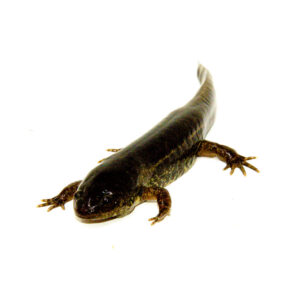
The greater siren (Siren lacertina) is one of the largest salamanders in North America and one of the most primitive amphibians still living today. It can grow up to 3 feet in length and is entirely aquatic throughout its life. Unlike most salamanders, it lacks hind limbs and has small, paddle-like front legs. It breathes through external gills that resemble feathery red plumes on the sides of its head.
Their slimy, muscular bodies resemble eels or aquatic snakes, but they are amphibians and entirely harmless to humans. They are native to slow-moving or stagnant waters in the southeastern United States, including swamps, ditches, ponds, and marshes.
Unique Features of the Greater Siren
-
Size: Up to 36 inches long as adults
-
Lifespan: 10–20 years with proper care
-
Color: Dark green to brown, sometimes speckled
-
Limbs: Only front limbs present, no back legs
-
Gills: Three prominent red feathery gill stalks
These prehistoric-looking creatures are nocturnal, secretive, and highly adapted for aquatic life.
Tank Setup and Housing
Greater sirens are fully aquatic and need a large, clean tank setup. Though often inactive, they require space to stretch and swim.
Recommended enclosure features:
-
Tank Size: At least 40–55 gallons per adult
-
Substrate: Sand or bare bottom (they like to dig)
-
Water: Cool, dechlorinated water (68–75°F); avoid heaters
-
Filtration: Canister or sponge filters with minimal current
-
Hides/Decor: PVC pipes, driftwood, aquatic plants, or caves
They enjoy burrowing and hiding, so give them plenty of shelter options. Be sure to use a tight-fitting lid, as they are known to escape when startled.
For filters, hides, and water conditioners, visit OneStopReptileShop.com to find quality gear suited for large aquatic amphibians.
Diet and Feeding Habits
Greater sirens are carnivores that feed on a variety of aquatic prey. In captivity, they readily accept:
-
Earthworms and nightcrawlers
-
Bloodworms and blackworms
-
Shrimp (live or frozen)
-
Fish pieces
-
Amphibian-safe pellets
Feed juveniles every other day and adults 2–3 times per week. They often use a vacuum-like motion to suck food into their mouths. It’s important to avoid overfeeding and regularly clean the tank to prevent fouling.
Behavior and Temperament
Greater sirens are mostly nocturnal but will become more visible with routine. They’re shy by nature but grow accustomed to human activity over time. Although not aggressive, they may nip at smaller tankmates or anything that resembles food. For this reason, it’s best to house them alone or with similarly sized sirens.
They can survive low-oxygen environments and even enter a state of dormancy called aestivation if their habitat dries out in the wild—a remarkable adaptation that few amphibians share.
Breeding in Captivity
While rare, some hobbyists have successfully bred Siren lacertina in captivity. However, breeding is not common due to the species’ secretive behavior and seasonal triggers. The reproductive process involves males fertilizing eggs externally, and females laying hundreds of eggs attached to submerged vegetation.
If you’re interested in breeding, you’ll need seasonal cues like temperature drops and increased feeding, as well as a large, naturalistic aquatic environment.
Why Keep a Greater Siren?
-
Rare and unique: Not your average pet amphibian
-
Captivating appearance: External gills and eel-like body
-
Low-maintenance: Hardy and adaptable with simple care needs
-
Long-lived: Potentially 15+ years of companionship
The greater siren is an excellent addition to a serious amphibian collection and provides endless opportunities for observation and education.
Get Your Greater Siren from the Experts
If you’re ready to own one of nature’s most fascinating amphibians, shop for a greater siren (Siren lacertina) at OneStopReptileShop.com. We specialize in rare reptiles and amphibians, with top-tier service, supplies, and live arrival guarantees.



Reviews
There are no reviews yet.