

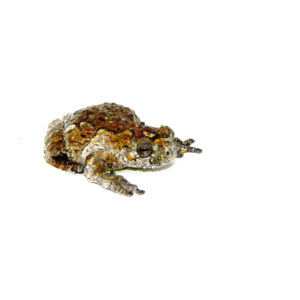
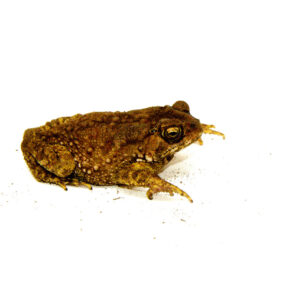
pinewoods tree frog (hyla femoralis)
$9.99
Pinewoods Tree Frog (Hyla femoralis): A Small, Secretive Jewel of the Southeastern Forest
The pinewoods tree frog (hyla femoralis)) may not be as famous as its flashy cousins like the Red-Eyed Tree Frog, but this subtle beauty of the southeastern United States is a favorite among frog enthusiasts who value cryptic charm and natural forest acoustics. Known for their soft, rapid trills and earthy coloration, Pinewoods Tree Frogs are relatively easy to care for and thrive in well-maintained, humid enclosures.
Whether you’re starting an amphibian collection or adding to your native species setup, the Pinewoods Tree Frog is a peaceful, insect-eating companion that brings a piece of the pine forest right into your home. You can shop for healthy specimens and complete habitat kits at OneStopReptileShop.com, your go-to destination for reptiles and amphibians.
Species Overview: Small, Shy, and Hardy
Native to the southeastern U.S., from South Carolina down to Florida and across to parts of Louisiana, the Pinewoods Tree Frog lives primarily in pine flatwoods, cypress swamps, and marshy forest areas. They are arboreal and semi-nocturnal, becoming most active at dusk and night.
Quick Facts:
-
Size: 1 to 1.5 inches
-
Lifespan: 5–8 years in captivity
-
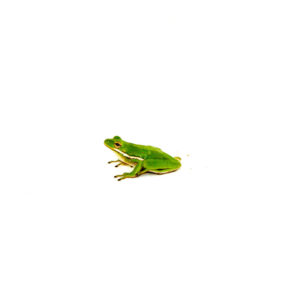
Color: Usually brown or grayish-green with yellow/orange spots on hind legs
-
Habitat: Pine forests, swamps, and marsh edges
-
Behavior: Shy, vocal at night, rarely aggressive
Their colors can change slightly depending on temperature, humidity, and lighting, giving them excellent camouflage in naturalistic enclosures.
Terrarium Setup for pinewoods tree frog (hyla femoralis)
The pinewoods tree frog (hyla femoralis) prefers vertical space for climbing and appreciates plenty of coverage in its environment. Mimicking a pine forest understory helps them feel secure and encourages natural behaviors.
Recommended Setup:
-
Enclosure Size: 12x12x18″ or larger for a pair or trio
-
Substrate: Moist coconut fiber, sphagnum moss, or ABG mix
-
Humidity: 60%–80% (mist once or twice daily)
-
Temperature: 72–82°F (can tolerate cooler nights)
-
Decor: Cork bark, climbing branches, live or artificial plants, leaf litter
-
Lighting: Optional UVB, but a natural day/night cycle is essential
These frogs are quiet during the day and begin calling after sunset, especially during warmer, humid months. A well-planted terrarium not only benefits their health but also enhances the visual appeal for hobbyists.
Shop complete Pinewoods Tree Frog enclosure kits, misting systems, and substrate at OneStopReptileShop.com, where expert advice and quality products are just a click away.
Feeding and Nutrition
Like most tree frogs, pinewoods tree frog (hyla femoralis) is insectivorous. Offer a variety of live prey, dusted with the appropriate supplements to ensure strong bones and healthy skin.
Feeding Guidelines:
-
Feed 3–4 times weekly
-
Offer pinhead crickets, fruit flies, small roaches, and springtails
-
Dust insects with calcium powder 2–3 times weekly and multivitamins once weekly
A well-fed Pinewoods Tree Frog will remain active, alert, and vibrant in color. Use tweezers for targeted feeding if necessary, especially in bioactive or densely planted enclosures.
Behavior and Handling
Pinewoods Tree Frogs are not aggressive but are also not suited for regular handling. Their delicate skin can absorb harmful substances from human hands, and handling may cause stress.
Behavior Tips:
-
Observe at dusk when they become most active
-
They’re known for rapid, high-pitched trills—especially during mating season
-
Minimal handling; use a soft cup or gloved hand for transport
Their vocalizations are charming rather than loud, making them ideal for keepers who appreciate naturalistic frog calls in the evening.
Breeding in Captivity
Breeding pinewoods tree frog (hyla femoralis) in captivity is possible but requires the simulation of seasonal changes such as temperature and rainfall cues. Provide a shallow water basin and increase misting to encourage courtship behavior.
Breeding Basics:
-
Use a group of 2–3 males per female
-
Increase misting frequency and simulate storms with low-pressure misting
-
Eggs are laid on vegetation or shallow water surfaces
-
Tadpoles hatch in 3–5 days and metamorphose in 6–8 weeks
If you’re interested in captive breeding native amphibians, we offer guides and supplies to support you at OneStopReptileShop.com.
Why Choose OneStopReptileShop?
Our team is dedicated to providing high-quality, captive-bred amphibians—including the pinewoods tree frog (hyla femoralis)—with expert care resources and fast, secure shipping. When you buy from us, you’re investing in healthy animals and reliable support.
Perks of Shopping With Us:
-
Live Arrival Guarantee
-
Healthy, captive-bred frogs only
-
Secure shipping and packaging
-
Enclosure kits, live feeders, supplements
-
Expert staff and helpful care tips
Final Thoughts
The Pinewoods Tree Frog (Hyla femoralis) may be small in size, but its unique call, adaptive coloration, and native charm make it a delightful species for both beginner and experienced keepers. These frogs thrive in humid, forest-style enclosures and reward patient observation with natural behavior and soothing vocalizations.
Ready to bring home a Pinewoods Tree Frog? Visit OneStopReptileShop.com for healthy frogs, complete setups, and all the care products you need to build a thriving environment.




Reviews
There are no reviews yet.